Who I am
I always find this question difficult: “Tell me about yourself”
Perhaps it's because I've never thought of myself as a finished version of who I am.
I see myself as an evolving human being, an explorer, and a lifelong learner and unlearner. I've never been comfortable boxing myself into a single description because every new experience, conversation and piece of work teaches me something I didn't know before.
Still, introductions matter. So perhaps the best way to answer that question is by sharing the things that have remained constant.

Where it all began
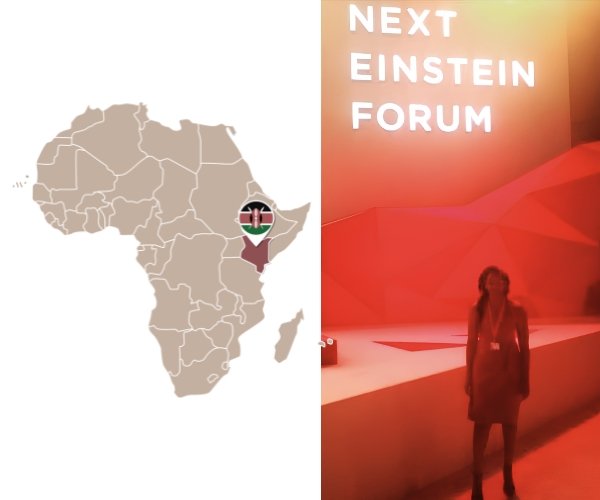
I was born and raised in Kenya. I found my way into science engagement at a time when the landscape around me was still emerging, and many of the spaces and opportunities that exist today were only beginning to take shape.
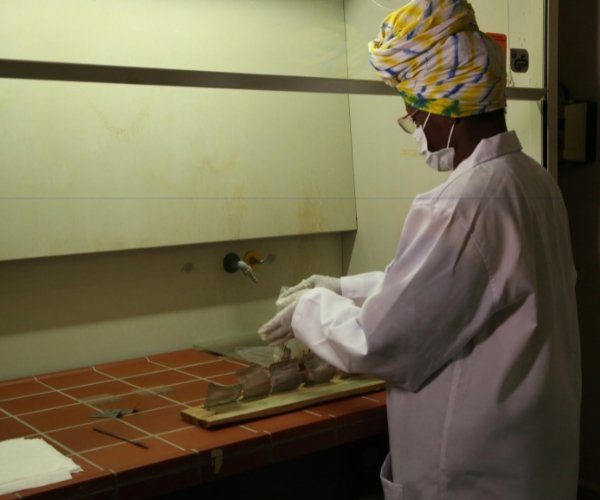
Looking back, it's interesting how a few experiences set everything in motion. Not seeing laboratory videos from African institutions on YouTube made me wonder whose stories were being told and whose were missing. Then, a trip to Kigali, Rwanda, sparked a chain reaction that continues to shape my work today.
Under the Microscope
In 2018, while finding my feet as a microbiologist and working in a research laboratory, I started Under the Microscope (UTM) as a science blog. I wanted to find different ways of making science fun, interesting and relatable, while opening up conversations around everything from exciting discoveries and the many things we still don't know, to questions of gender, equality and accessibility, and the many ways science connects with society.
As I continued blogging, I found myself increasingly curious about how people encountered and experienced science, how they understood it, responded to it and connected it to their own lives. That curiosity drew me towards science engagement and eventually towards the people, practices and ideas shaping the field. I wanted to put science engagement under a lens.
Over time, that blog grew into the organisation I founded and continue to lead today. Under the Microscope exists to explore, create and share ways of strengthening science engagement.
As UTM evolved, one belief became increasingly central to its work:
Africa is not simply a region where science engagement is growing, but a place where ideas, approaches and solutions that the rest of the world can learn from are already taking shape.
Watching UTM evolve has mirrored my own journey as a practitioner.
As I approach a decade of working in science engagement, I am increasingly aware of how much has changed in that time. I have seen the landscape around me grow and new opportunities emerge. Along the way, I have watched ideas evolve, learnt through projects and collaborations, changed my mind and accumulated questions that I am still thinking about.
Looking back, I realise Under the Microscope taught me to look more closely. These Field Notes are a continuation of that habit.
Following curiosity
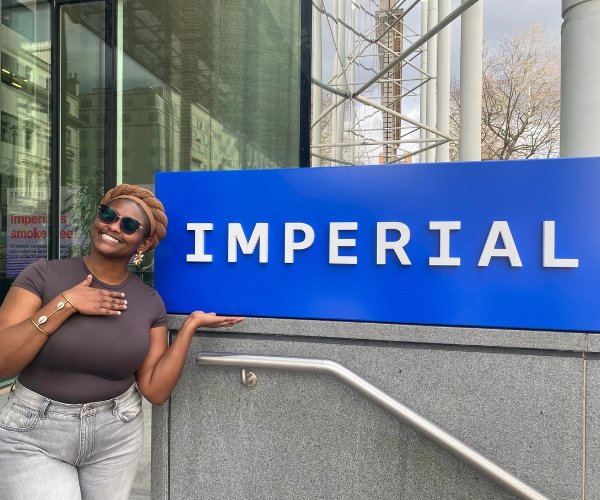
My academic interests have evolved alongside my professional ones. I began with Microbiology, a choice shaped by personal loss and a desire to better understand disease. As I became increasingly involved in science engagement, I wanted to better understand the research and scholarship that informed the work I was already doing. That curiosity eventually led me to pursue a Master's in Science Communication.
Following that curiosity has continued to broaden my understanding of this work.
Royal Academy of Science International Trust (RASIT)
Through the Royal Academy of Science International Trust (RASIT), I was introduced to conversations and work around science policy, diplomacy and gender, and had the opportunity to see science and its place in society from a much more global perspective.
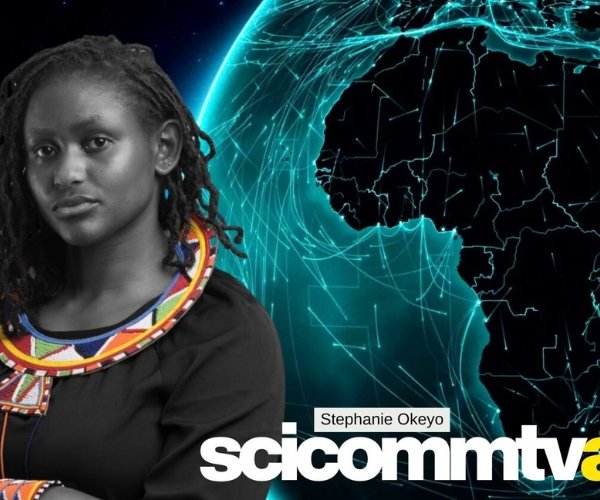
SciCommTV Africa
Hosting SciCommTV Africa at the Civic Science Media Lab has given me the opportunity to sit down with science communication practitioners and scholars from across Africa and its diaspora and ask how they are approaching the work in their own contexts.
Those conversations have broadened my understanding of science communication, bringing into view areas such as funding, power, community, culture and purpose, and how these shape practice, influence and impact over time.
Perhaps more importantly, they have reminded me that there is no single way of doing this work.
Ubuntu
One value has remained constant throughout my journey: Ubuntu. Rooted in Southern African philosophy, Ubuntu is often expressed through the idea,
I am because we are.
Ubuntu is a core value of Under the Microscope and continues to shape how I approach my work. I believe my practice has been built through the generosity of those who came before me and the colleagues and communities I work alongside today, just as I hope what I contribute can support those who come after me.
None of us learns or works in isolation. Every piece of work I have been part of has been a collective endeavour.
The work that matters to me
I've often thought of science as a Lamborghini. You don't buy a Lamborghini only to leave it parked in the garage. It is meant to be seen, driven and experienced.
To me, science is much the same. Science has enormous potential to do good (if used well!), but when it remains within scientific spaces rather than being communicated, shared, questioned, shaped, engaged with and used by the people and communities it can serve and affect, much of that potential remains unrealised.
Throughout my career, I have had the opportunity to work across universities, government and research institutions, community organisations, arts organisations and schools. Every collaboration has reminded me that meaningful science engagement looks different in every context, but it always begins with listening, curiosity and relationships.
I enjoy working across different sectors and disciplines because each brings a different perspective. I am interested in creating spaces where different forms of knowledge and experience can meet, where people can build together and explore new possibilities.
06
Still learning
Perhaps the greatest lesson this field continues to teach me is how much there is still to learn. If there is one thing I hope stays with me, it is my curiosity. My opinions may change, my practice will certainly continue to evolve, and I hope my work does too.
That is one of the reasons Field Notes exists.
It is a place where I document what I notice, what I question and what I continue to learn: a personal body of work and a living record of ideas, observations, questions and reflections that continue to shape my practice.
If you've found your way here, thank you for taking the time to read. I know how precious our time and attention can be. I hope something you discover encourages you to pay a little more attention, ask a better question or perhaps even begin writing your own field notes.