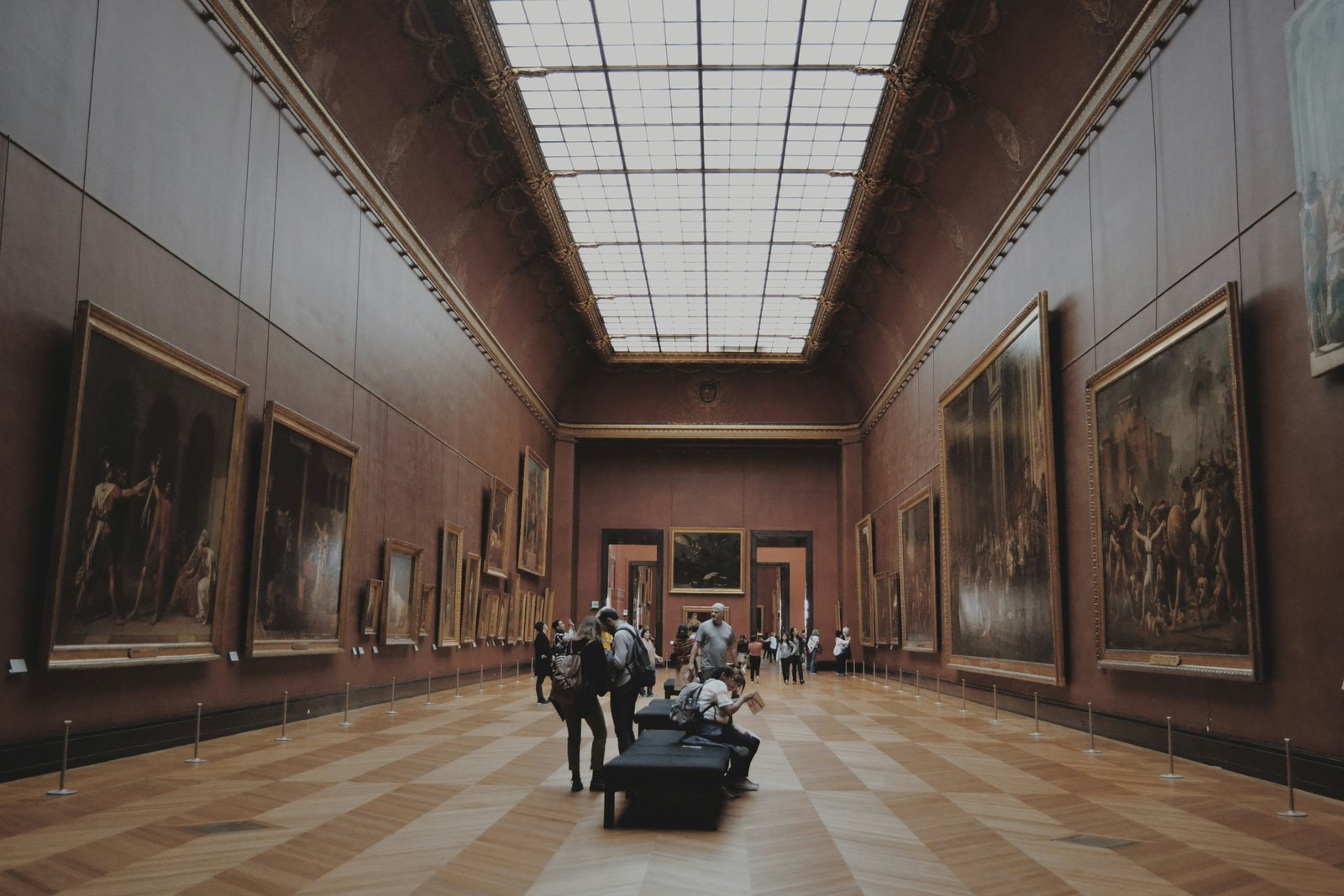
I strongly believe that science is an experience. Even as we move into an increasingly digital world, physical spaces will continue to matter because they allow people to experience science in ways that books, articles and screens alone cannot.
I still remember visiting the Museum für Naturkunde in Berlin back in 2019 and the sense of awe I felt standing beneath the enormous Giraffatitan skeleton towering more than 13 metres above me. Experiencing something at that scale stayed with me. Even now, science spaces can still give me that same sense of awe, excitement and wonder.
My appreciation for science spaces also began to shape my own practice. Through Under the Microscope, we were always looking for opportunities to take students beyond the classroom. We organised school trips as part of our programmes. Those trips were a reminder that some of the most memorable learning can happen when we experience science in a different setting.
Travelling has only strengthened that belief. Everywhere I have gone, I have encountered different ways that people engage with science through museums, botanical gardens, science centres, exhibitions, public art and pop-up experiences. Each space tells a different story about how science can be expressed and shared.
Perhaps the greatest influence, however, came during my postgraduate studies. As part of a module on museums and exhibitions, taught by the amazing Dr. Julia Pitts, we were expected to visit exhibitions as part of our practical work. We would observe, question and critically reflect on what we experienced, with the following class often centred on discussing our observations. These visits fundamentally changed how I move through spaces. I no longer experience them simply as a visitor (even when I try!). I find myself paying attention to the choices behind the experience: how stories are told, who and what is represented, the placement and language of labels, how interactives are used, how people move through a space, what captures attention, what is overlooked and what those decisions mean for public engagement.
 Space 01